Introduction
Dysphagia, or difficulty ingesting, is an usual yet often ignored problem that can significantly influence a person's quality of life. Whether due to age, neurological conditions, or various other health and wellness problems, the ramifications of dysphagia can be severe. This makes specialized dysphagia training courses critical for treatment team, nurses, and caregivers alike. These programs not only outfit professionals with the knowledge and skills to offer efficient dysphagia treatment yet likewise empower them to champion adjustment within their communities.
In this comprehensive exploration of Championing Change: The Advantages of Specialized Dysphagia Training Courses, we delve into the complex advantages these programs use, the abilities they give, and exactly how they add to much better client outcomes.
Understanding Dysphagia: What You Required to Know
What is Dysphagia?
Dysphagia refers to a variety of ingesting difficulties that can take place at any type of phase of the ingesting process. It can manifest in various types-- from trouble eating food to challenges in moving swallowed food down the esophagus.
Causes of Dysphagia
There are numerous underlying reasons for dysphagia:
- Neurological problems (e.g., stroke, Parkinson's disease) Structural problems (e.g., tumors, strictures) Aging Gastroesophageal reflux disease (GERD)
Symptoms and Complications
Common symptoms consist of:
- Pain while swallowing Coughing or choking throughout meals An experience of food being stuck in the throat
Complications can consist of lack of nutrition, dehydration, aspiration pneumonia, and social isolation.
The Significance of Specialized Dysphagia Training for Carers
Why Train Treatment Staff?
Training care personnel in dysphagia management is necessary for making sure that they comprehend the intricacies involved in caring for individuals with swallowing problems. Correct training enables them to acknowledge signs and symptoms early and execute appropriate interventions.
Components of Dysphagia Care Training
A comprehensive dysphagia training program typically includes:
- Anatomy and physiology related to swallowing Assessment techniques for determining dysphagia Safe feeding practices Dietary adjustments
Benefits of Specialized Dysphagia Training Courses
Enhanced Understanding Base
One main advantage of specialized dysphagia training courses is the boosted data base that participants gain. By understanding both theoretical and functional aspects of dysphagia care-- participants come to be a lot more skilled in their roles.
Improved Patient Outcomes
Research shows that experienced staff can identify concerns earlier and apply approaches that lead to enhanced individual end results. This means less difficulties related to ingesting disorders.
Boosted Confidence Amongst Professionals
When care personnel get specialized training, their confidence grows. This newly found assurance equates into far better interaction with patients and relative alike.
Curriculum Review: What to Get out of a Dysphagia Training Course
Course Modules
Most dysphagia training courses are structured around particular components such as:
Introduction to Dysphagia Assessment Techniques Dietary Adjustments Practical Feeding StrategiesHands-On Knowing Opportunities
Many courses include hands-on discovering via simulations or role-playing scenarios which allow participants to practice what they have actually discovered in real-world situations.

Dysphagia Training for Nurses: An Important Component
Why Nurses Must Go through Specialized Training
Nurses often play a crucial duty in recognizing and taking care of dysphagia within healthcare settings. Their specialized training ensures prompt interventions that reduce threats associated with ingesting disorders.
Key Locations Covered in Nursing Programs
The nursing curriculum may focus on:
- Patient assessments Medication factors to consider Collaboration with dietitians
The Duty of Interdisciplinary Teams in Taking Care Of Dysphagia
Collaborative Technique to Care
Managing dysphagia typically calls for input from various disciplines consisting of speech-language pathologists, occupational therapists, and nutritionists. Specialized training fosters partnership among these professionals.
Case Research studies: Successful Group Interventions
Exploring case studies where interdisciplinary groups have actually enhanced person outcomes showcases the power of collective initiatives within health care settings.
The Future of Dysphagia Treatment: Trends and Innovations
Emerging Technologies in Swallowing Assessment
Advancements such as video clip fluoroscopic swallowing research studies (VFSS) and fiberoptic endoscopic assessment of ingesting (FEES) supply brand-new insights into taking care of dysphagic people effectively.
Telehealth Opportunities for Dysphagia Support
Telehealth provides interesting avenues for delivering dysphagia support from another location-- making it less complicated for clients who might deal with conventional health care accessibility routes.
FAQs About Specialized Dysphagia Training Courses
Q1: What is a regular duration for a dysphagia training course?
A1: A lot of specialized training courses range from eventually to numerous weeks depending upon depth and accreditation requirements.
Q2: That ought to consider taking a dysphagia training course?
A2: Caregivers, nurses, dietitians, speech-language pathologists-- any individual involved directly with patient treatment connecting to swallowing difficulties must undergo this training.
Q3: Exist certifications available after completing these courses?
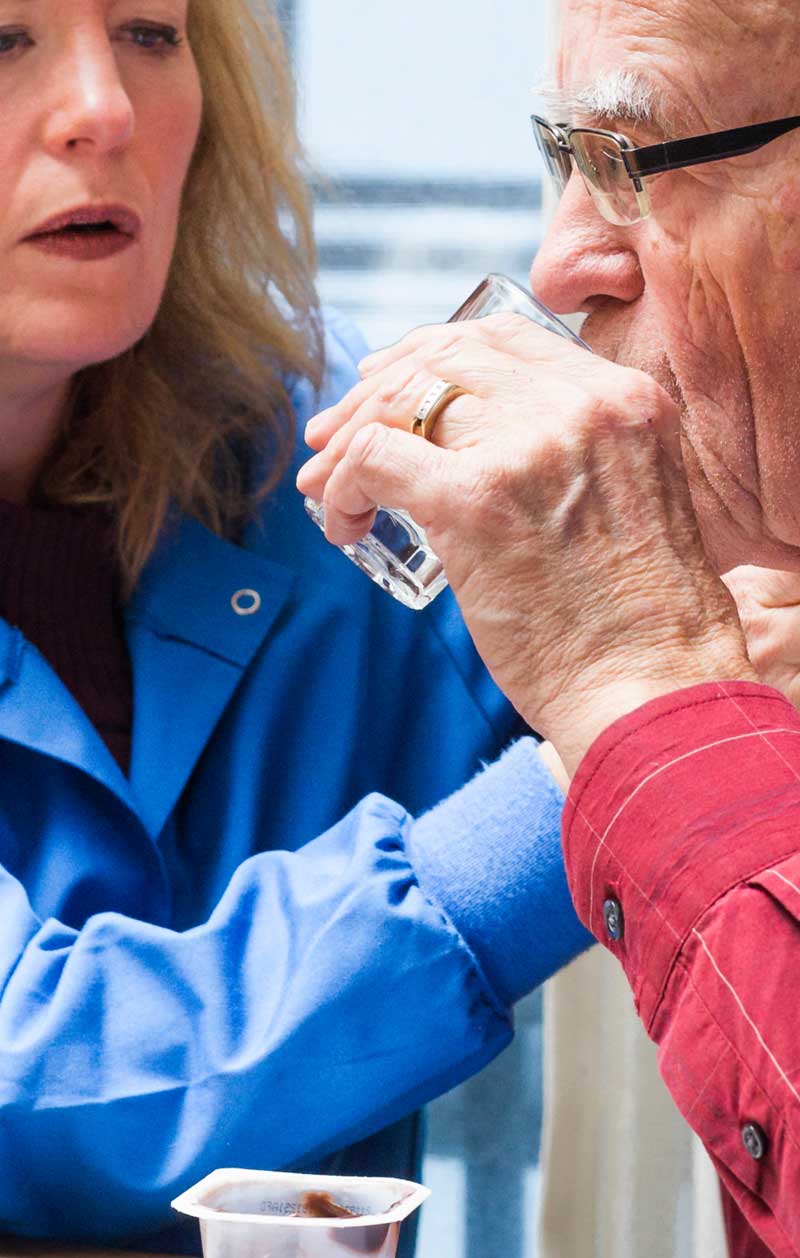
Q4: Exactly how does this training impact client safety?
A4: Boosted understanding brings about far better identification of risks associated with eating/drinking which significantly boosts person precaution implemented by skilled staff members.
Q5: Can online programs be similarly effective as face-to-face classes?
A5: While both layouts have their values; in person courses usually offer much more interactive experiences whereas on the internet programs use flexibility concerning schedules.
Q6: Is financing offered for these specialized courses?
A6: Various scholarships or gives may be available through health care establishments or instructional companies focused on improving caregiver skills especially targeting areas like dysphasia management.
Conclusion
In final thought, specialized dysphasia training courses represent a critical element in improving care shipment for individuals encountering swallowing difficulties. By gearing up caregivers, registered nurses, and allied health professionals with essential expertise and useful skills-- these programs not just champion change however additionally pave the way toward far better patient end results. Investing time into such education boosts self-confidence success in dysphagia training among specialists while promoting interdisciplinary collaboration; eventually profiting those that depend on our support most-- the patients themselves. As we proceed browsing an ever-evolving landscape within medical care-- it's necessary we focus on continual education bordering problems like dyslexia if we wish to make enduring influence on those we serve.
